
TumorGraft3D Platform
Evaluate defined assets, cohorts, and mechanism-focused questions in Champions’ matrix-free, multiclonal 3D ex vivo cultures established from PDX-derived tumor models.
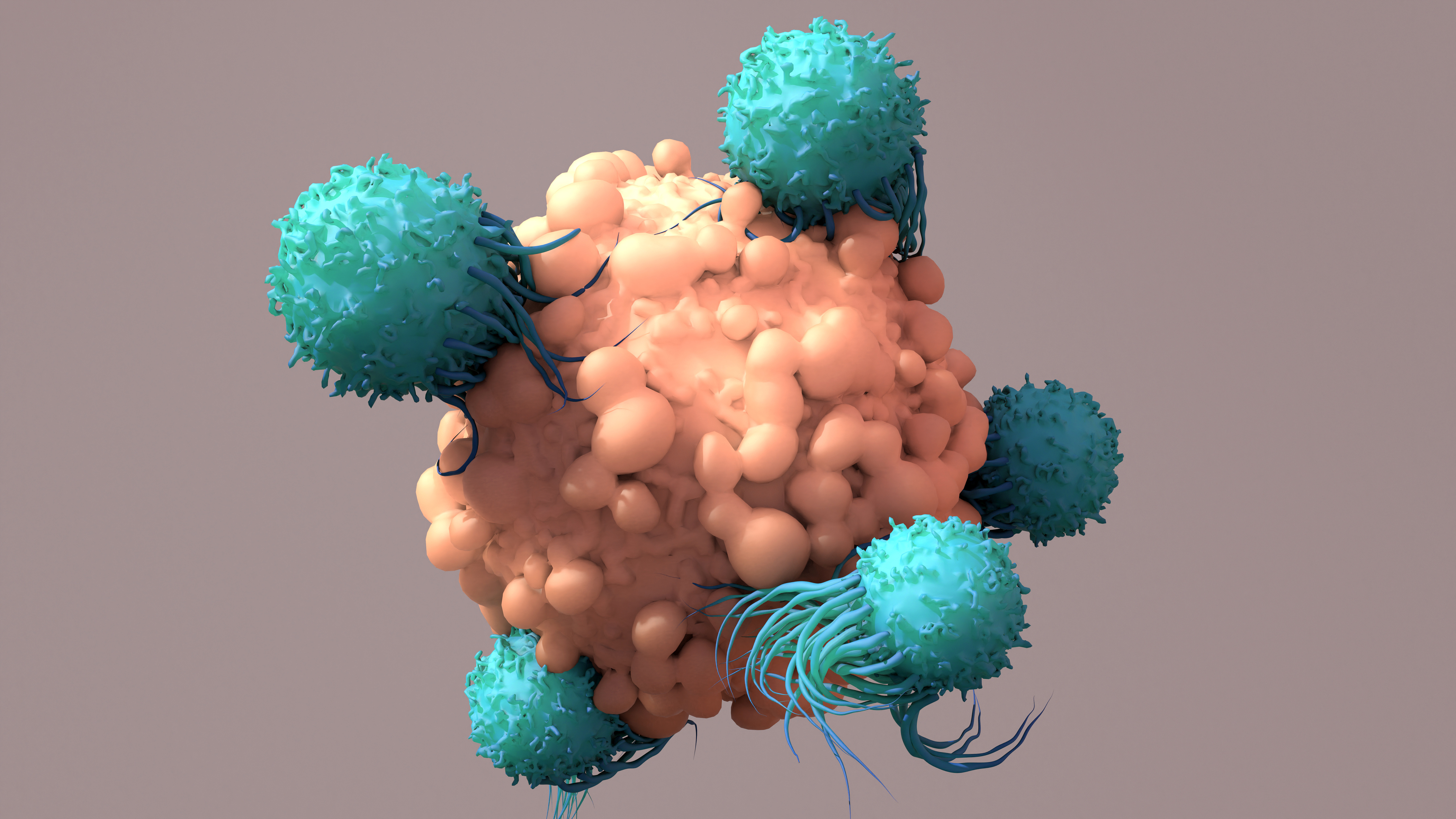
Preclinical Oncology
Our TumorGraft3D platform supports selected ex vivo studies using low-passage, PDX-derived 3D tumor models. Designed for cohort comparison, asset benchmarking, and mechanism-focused questions helping teams generate earlier comparative and translational insights before moving into more resource-intensive in vivo work.
Overview
1,500+
Patient-derived xenograft (PDX) models
300+
TumorGraft3D models and growing
25+
Tumor indications with treatment histories
TumorGraft3D is best suited for defined translational questions where model selection, controls, assay timing, and readouts match the scientific decision.
We can support small molecules, biologics, ADCs, selected immune-mediated questions, and radiation-based agents when the model and assay fit are confirmed
Compare defined assets, constructs, or regimens in clinically relevant 3D tumor models selected to match the biological question, indication, or biomarker of interest. TumorGraft3D can provide comparative signals for ranking, cohort profiling, and go/no-go decisions when the assay design is fit for purpose.
Results
How does response vary across a biologically defined cohort?
Which asset, construct, or regimen looks strongest in the same tumor context?
Is the response target-dependent, and what controls are needed to separate target, payload, isotype, or construct effects?
Does immune context materially change apparent activity versus monoculture?
Can the study generate a biologically grounded hypothesis for why some models respond and others do not?
Does response track with a genotype-defined subgroup?
Study design
Evaluate defined assets, cohorts, and mechanism-focused questions in Champions’ matrix-free, multiclonal 3D ex vivo cultures established from PDX-derived tumor models.
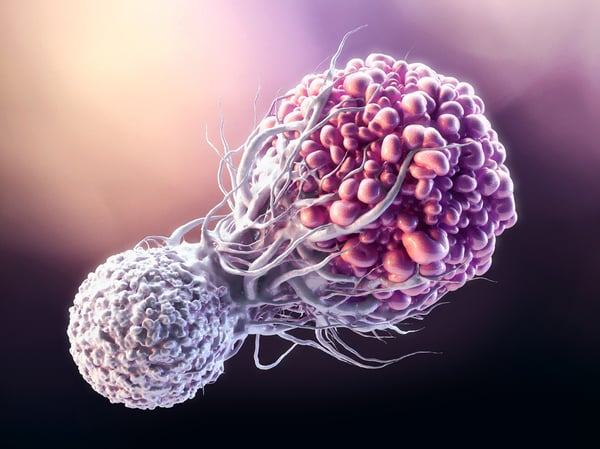
Access a large bank of highly characterized primary, never-passaged hematological models from leukemia, lymphoma, and myeloma patients.
Resources
FAQ
Get started