
Preclinical Oncology
Syngeneic Mouse Models
Investigate cancer drugs in an immunologically intact environment to better assess immune responses and immunotherapy efficacy.
Overview
Syngeneic Tumor Models: A Rapid System for Preclinical Immune Oncology Testing
A collection of models representing all relevant tumor indications
Fast turnaround times, compatible with a variety of endpoint analyses to fully characterize the therapeutic response and mechanism
Deep molecular characterization and response to Standard of Care data available


Results
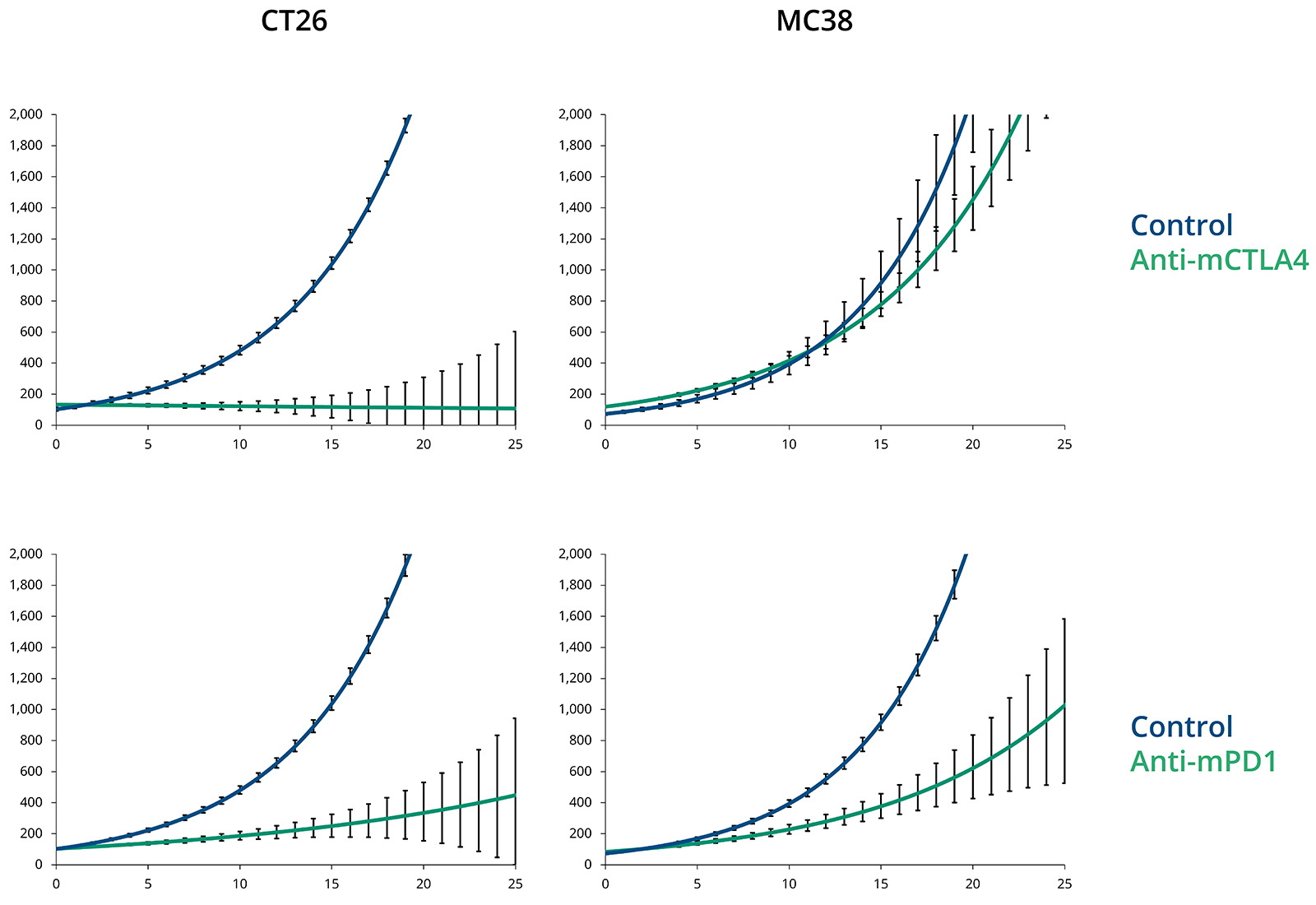
Well-characterized Response to Checkpoint Inhibitors
This platform can be used to assess efficacy or benchmark therapeutic agents against or in combination with standard of care immune therapies in an intact murine immune system.
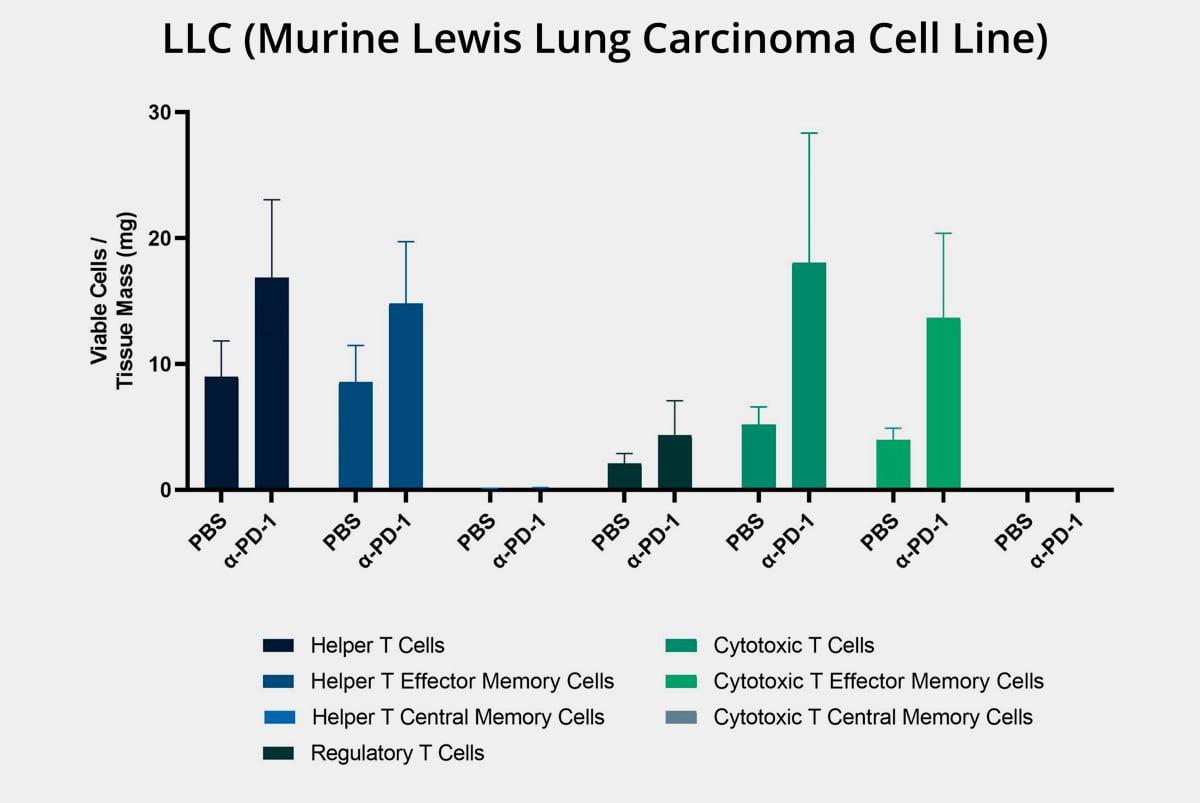
Additionally, these models can help you investigate your agent mechanism of action by measuring differences in immune cell population before and after treatment.
Tumor bank
Champions Syngeneic Tumor Models
Cost-effective, large-scale syngeneic studies across multiple cell lines, including MC38, CT26, LLC, 4T1, EMT6, B16F10, RENCA, A20, KLN205, and MyC-CaP with key mutation and clinical characteristics.
An ideal platform for evaluating both innate and adaptive immune responses crucial for understanding immunotherapy effectiveness.
Flexible and versatile, enabling the study of various tumor types and testing of novel immunotherapies and combination therapies.

Resources
Explore our resources
A Comparison of Syngeneic & Humanized Models in Oncology Research
Syngeneic mouse models are preclinical in vivo models used to evaluate therapeutic candidates in mice with intact immune system. Humanized mouse models support the engraftment of many functional components of the human immune system. This Quick Guide gives a comparison of the two models and weighs the advantages and challenges of these models for oncology research.


Get started