<img alt="" src="https://secure.soil5hear.com/223550.png" style="display:none;">
Select Models
Platforms_08

Preclinical Oncology

Co-Culture Assays

Versatile and scalable 3D-co-culture solutions to accelerate immuno-oncology research
Overview

Preclinical Screening of Immunotherapy Agents

Champions offers a versatile co-culture platform to support your preclinical immuno-oncology (IO) studies. This platform allows the testing of immune-modulating agents including T cell engagers, immune checkpoint inhibitors, small molecules, bispecific antibodies, cell therapy, vaccination strategies, and combinatorial therapy.

Champions Oncology immuno-oncology research assays:

Support cross-talk between multiple cell types and mimics specific mechanisms shown in the tumor microenvironment

Optimized for AML models, TumorGraft3D models

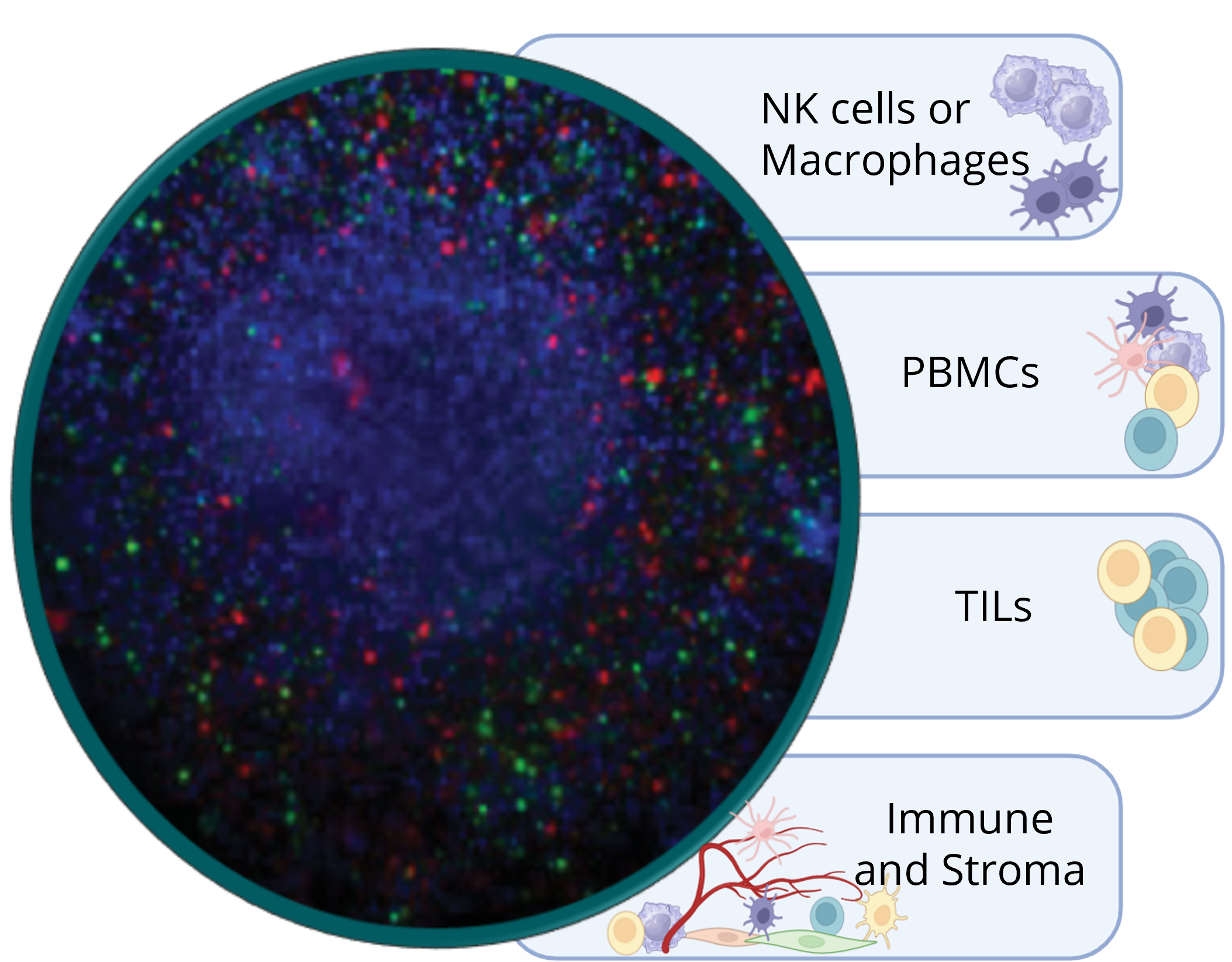
Allow for the co-culture with PBMCs, TILs, monocytes, macrophages, NK cells, neutrophils, stromal components (including fibroblasts), and cell therapies.

Available as an autologous platform with exclusive access to matched PBMCs and TILs ideal for testing immune-targeting agents and vaccines.

Co-culture Image

38

A Versatile Platform for Ex Vivo Immuno-Oncology Research Assays

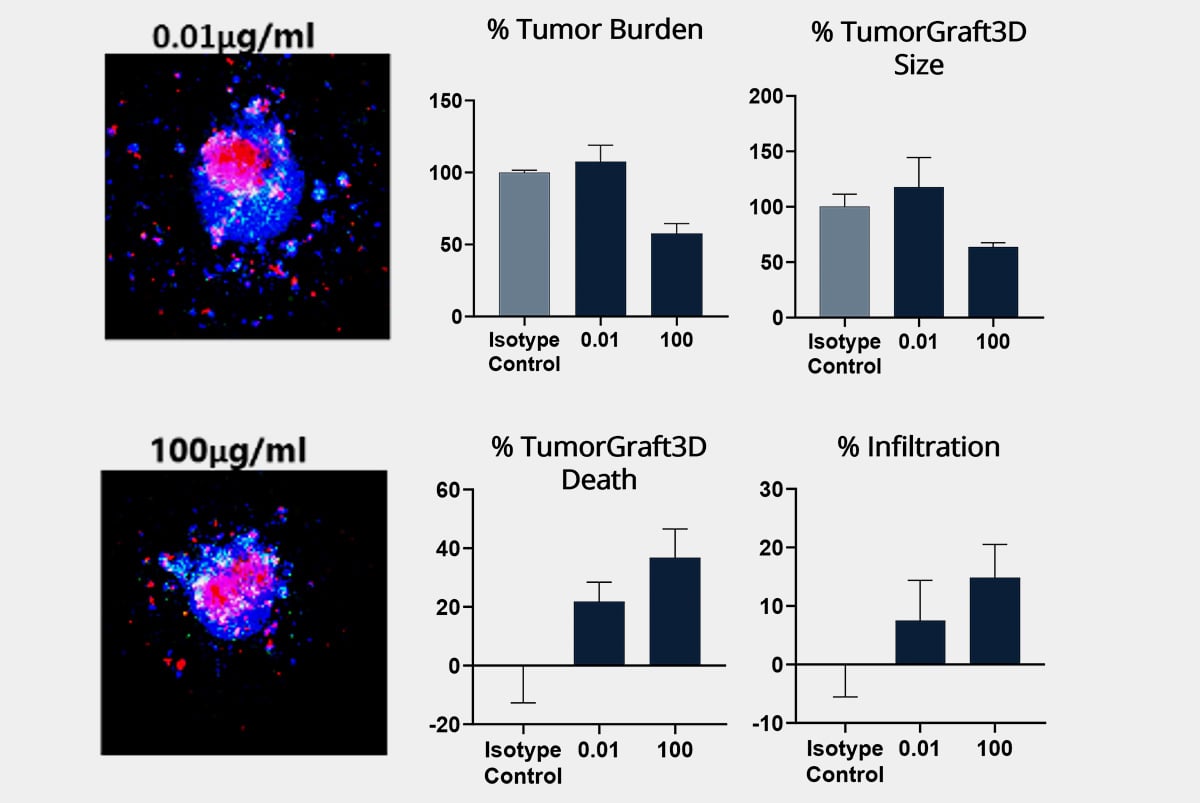
Champions' ex vivo co-culture platform can interrogate the responses of IO drugs with a tumor-specific microenvironment using our well-characterized TumorGraft3D models and AML models in high throughput settings.

Our proprietary autologous co-culture systems allow the investigations of the efficacy of therapeutic agents. In addition, the 3D-advanced system allows the analysis of the crosstalk between tumor cells and the immune players derived from the same patient, therefore overcoming the limitations of using allogeneic donors.  

Our platform enables the deconvolution of cellular interactions and phenotyping through flow cytometry. Optimized for multiple cell types, this platform is the ideal tool to evaluate test agent modulation of immune cells, assess the mechanism of action, measure infiltration of immune cells, and evaluate combination therapies for immuno-oncology therapeutics.     

Tailored Immune-Tumor Interaction Studies

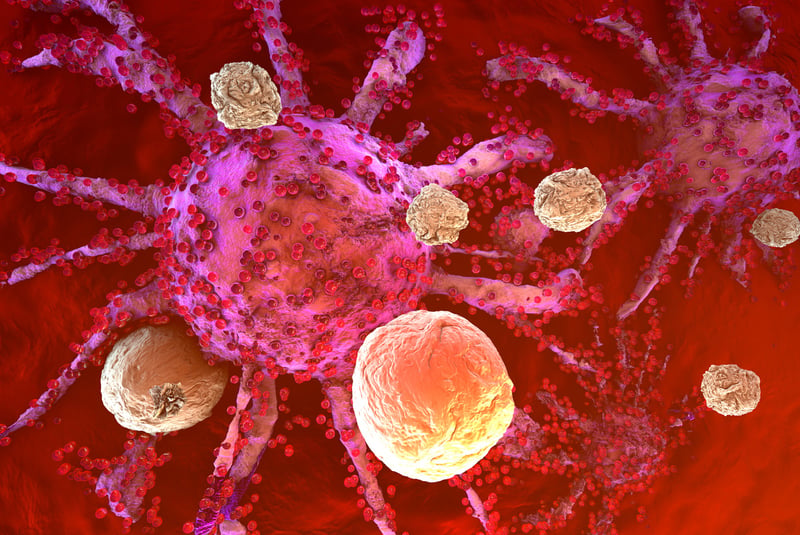
Champions Oncology’s co-culture assays provide a highly customizable platform for studying immune-tumor interactions, specifically focusing on complex interactions within the tumor microenvironment. Utilizing ex vivo assays, our advanced system allows researchers to evaluate the efficacy of various immunotherapies, including immune checkpoint inhibitors, T-Cell engagers, and cell therapies. By replicating the autologous tumor environment, we offer more accurate and clinically relevant data, ensuring your research aligns with real-world therapeutic outcomes.
16

Testimonials

"The co-culture assays from Champions & their ability to model and analyze cell-to-cell interactions in a controlled environment have greatly enhanced our understanding of disease mechanisms and treatment responses."

Lead Researcher, Biotech Company

"Champions Oncology’s TumorGraft3D platform set a new standard, enabling ex vivo drug testing in 3D organoids providing us with data from clinically relevant patient-derived models."

Translational Research Scientist, Pharmaceutical Company


Resources

Explore our resources

Autologous Tumor Infiltrating Lymphocyte (TIL) Platform

The Autologous TIL platform is an ex vivo 3D co-culture platform developed and optimized to interrogate the responses of your immuno-oncology (IO) drugs with a tumor-specific microenvironment in only 4 days using TumorGraft3D models collected with matched, autologous TIL samples. Download our fact sheet to learn more about the Autologous TIL Platform.

Tab Imges_Medium19

FAQ

Frequently Asked Questions

Co-culture assays are experimental setups in which two or more different cell types are grown together in a shared environment. This method allows researchers to study the interactions between different cell types, such as immune cells and cancer cells, or fibroblasts and epithelial cells. Co-culture assays are valuable for understanding complex biological processes like cell signaling, immune responses, and as a drug testing platform. They provide a more physiologically relevant model compared to monoculture systems, where only one cell type is grown in isolation. 

Champions Oncology’s ex vivo co-culture platform is a versatile tool for immuno-oncology research, leveraging well-characterized TumorGraft3D models, AML models, and cell line-derived spheroids to study IO drug responses within a tumor-specific microenvironment. Their proprietary autologous co-culture systems enable precise assessment of therapeutic agents and tumor-immune interactions using patient-derived cells, allowing for a fully human HLA-matched system that is not available in “in vivo” systems.. Advanced confocal microscopy and flow cytometry, cytokine analyses, and Next-Generation Sequencing are employed to analyze immune cell modulation, mechanisms of action, and immune cell infiltration, making Champions' platform an exceptional resource. Champions’ co-culture platform enables testing cell therapies, monoclonal antibodies, cancer vaccines, checkpoint inhibitors and combination therapies to advance immuno-oncology research.

Contract assay services offer specialized expertise, unique models, advanced technologies, and scalable resources that may not be available in-house. By outsourcing assays to a contract research organization (CRO), companies can access high-quality, validated methods and benefit from the experience of skilled scientists. This approach is cost-effective, accelerates the development process, and ensures that assays are conducted under strict quality standards. Contract assay services are particularly beneficial for companies that need to expand their R&D capabilities or require specific assays that are beyond their internal resources.

Yes, co-culture assays can be scaled up for high-throughput screening (HTS). Scaling up involves optimizing the assay conditions to be compatible with automated platforms that can handle large numbers of samples or conditions simultaneously. This enables researchers to screen a wide array of compounds or conditions in a co-culture system, making it possible to identify potential drug candidates or study complex interactions at a larger scale. However, scaling up requires careful consideration of factors like reproducibility, sensitivity, and a great knowledge of the model: this is why partnering with our team of experts is a key enabler for the success of your experiments. 

Yes. Our hematology panel includes patient-derived leukemia and lymphoma models with bone marrow and peripheral blood endpoints.
Platforms_08

Get started

Get in touch

Fill out the form to learn more about using co-culture assays for Immuno-Oncology research.